

Fat loss & muscle gain · Alex, PHNX Coaching
How to lose fat without losing muscle
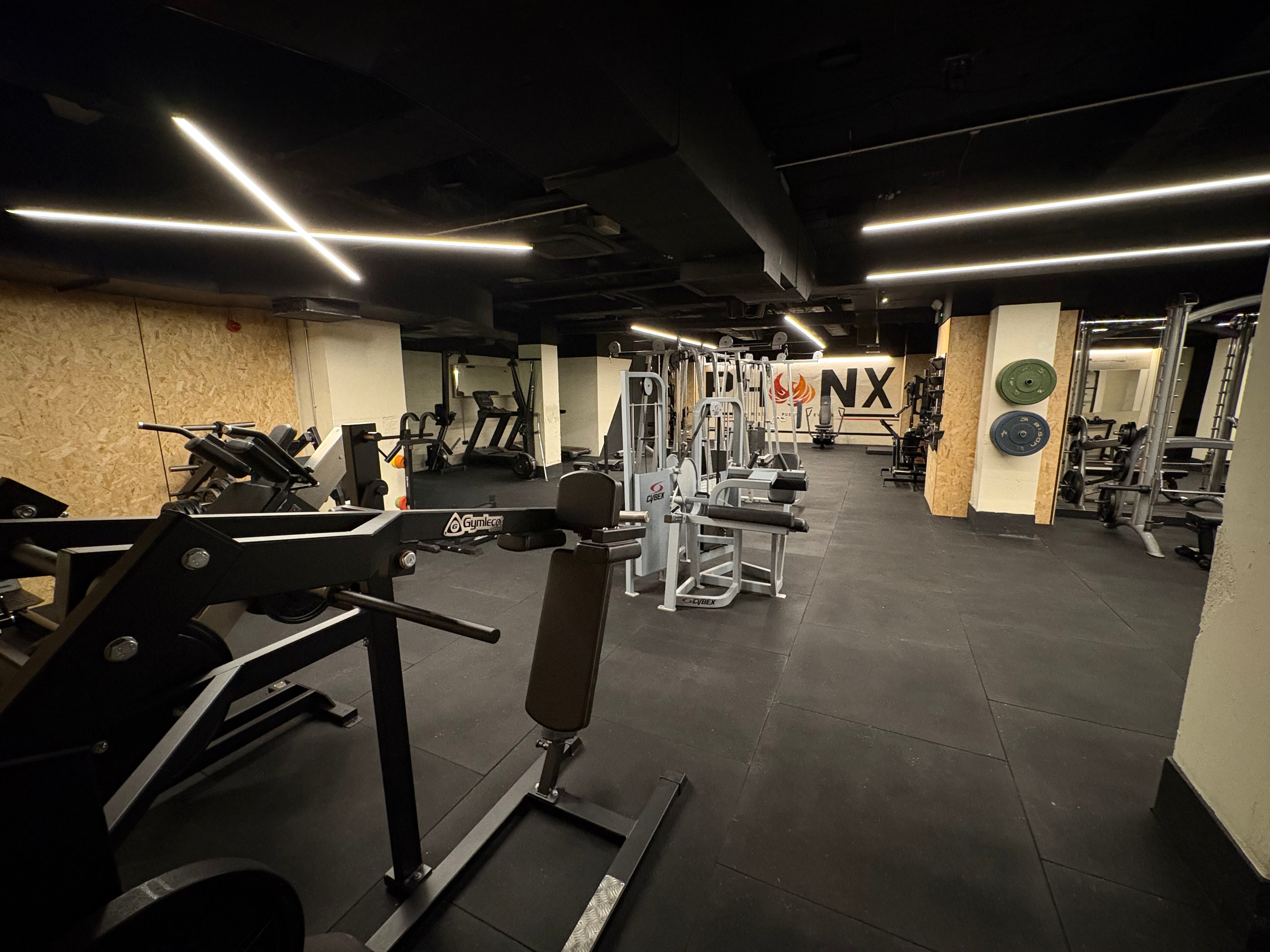
Most people who say they want to “lose weight” actually want to lose fat – and keep the muscle that makes them look toned, feel strong and keeps their metabolism ticking over. Crash diets and endless cardio can get the scales moving, but a lot of what you lose that way can be muscle.
Here’s how we approach fat loss with our clients in Liverpool, so the weight that comes off is the weight you actually want gone.
1. Keep lifting weights
This is the big one. Strength training tells your body that your muscle is still needed, so it holds on to it while you’re eating less. Two to four sessions a week covering your whole body – squats, presses, rows, hinges and lunges – is a solid base.
The goal isn’t to smash yourself every session. It’s to keep lifting with good technique and try to maintain or slowly improve your strength while the fat comes off.
2. Eat enough protein
Protein helps you hold on to muscle and keeps you fuller for longer, which makes sticking to your calories easier. A common evidence-based target for people training to lose fat is around 1.6g of protein per kg of body weight per day – spread across your meals.
That might sound like a lot, but it adds up quickly with things like eggs, Greek yoghurt, chicken, fish, lean mince, tofu, beans and a protein shake if it helps.
3. Go for a moderate calorie deficit
You do need to eat a bit less than you burn to lose fat – but cutting too hard is where people lose muscle, energy and motivation. A steady rate of around 0.5–1% of your body weight per week is a good guide for most people.
Slower than you’d like? Maybe. But it’s the kind of progress you can keep, without your training falling apart.
4. Walk more
Daily steps are one of the most underrated tools for fat loss. Walking burns extra energy without making you too tired to train properly. Getting to the gym on foot, a walk at lunch or getting off a stop early all count.
5. Sleep and recovery matter
Poor sleep makes it harder to control hunger, harder to train well and harder to recover. Aim for a consistent bedtime and seven or more hours where you can. It won’t show up on the scales tomorrow, but it makes everything else easier.
6. Measure more than the scales
When you’re losing fat and keeping muscle, the scales don’t tell the whole story. Track your waist measurement, progress photos, how your clothes fit and your strength in the gym. If your lifts are holding up and your waist is coming down, you’re on the right track.
Want a plan built around you?
Our fat loss and muscle gain coaching puts all of this together for you: training sessions at PHNX Performance Centre on Old Hall Street, nutrition guidance, and check-ins through the PHNX Coaching app so we can adjust as you go.
See how PHNX Coaching works, check out our client results, or book your free PT session.
This article is general information. If you have a medical condition or a history of disordered eating, speak to your GP before changing your diet.